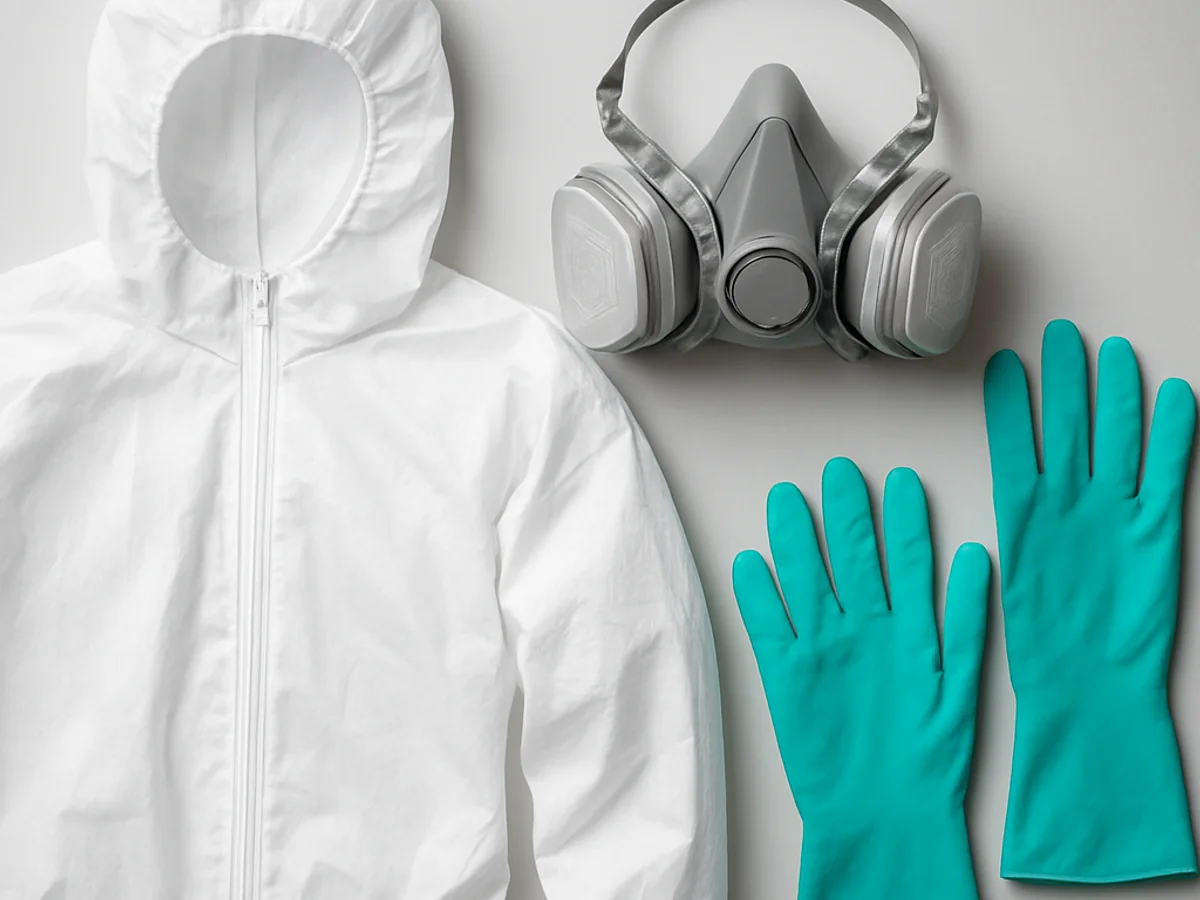
High-Risk Occupation
Construction workers account for a significant portion of mesothelioma cases. If you worked in construction before the 1990s and are experiencing respiratory symptoms, tell your doctor about your occupational history and request screening.
Why Construction Workers Face High Risk
Asbestos was considered an ideal building material due to its:
- Fire resistance
- Strength and durability
- Insulating properties
- Low cost
- Versatility
As a result, it was incorporated into hundreds of construction products used from the 1940s through the 1980s. Construction workers who built, renovated, or demolished buildings during this era were routinely exposed.
Asbestos-Containing Construction Materials
Workers may have encountered asbestos in:
Insulation
- Pipe insulation
- Boiler insulation
- Duct insulation
- Spray-on insulation
- Loose-fill insulation
Building Materials
- Cement and concrete
- Roofing shingles
- Siding
- Floor tiles (vinyl, asphalt)
- Ceiling tiles
Finishing Materials
- Joint compound/drywall mud
- Plaster
- Spackling
- Caulking
- Putty
Other Products
- Fireproofing materials
- Electrical components
- HVAC components
- Adhesives and mastics
- Textured paints
High-Risk Construction Trades
Insulators (Highest Risk)
Insulators faced the most intense exposure, often working directly with asbestos insulation products. Studies show insulators have mesothelioma rates 50-90 times higher than the general population.
Drywall Installers and Finishers
Joint compound (drywall mud) commonly contained asbestos. Sanding dried compound created clouds of asbestos-laden dust that workers inhaled daily.
Roofers
Asbestos was used in roofing felt, shingles, and tar. Cutting, nailing, and removing old roofing released fibers.
Plumbers and Pipefitters
Asbestos insulation on pipes and boilers was routinely cut, fitted, and removed. Pipe joint compound also contained asbestos.
Electricians
Electrical wiring insulation, panels, and components often contained asbestos. Running wire through walls disturbed asbestos materials.
Carpenters
Cutting, drilling, and sawing through walls, ceilings, and floors released asbestos from multiple materials.
Demolition Workers
Tearing down old buildings created massive asbestos exposure as materials were broken, crushed, and removed.
HVAC Technicians
Ductwork, furnaces, and boilers contained asbestos insulation and gaskets.
Floor Installers
Vinyl and asphalt floor tiles contained asbestos, as did the mastic adhesives used to install them.
How Exposure Occurred
Construction workers were exposed through:
- Cutting and sawing: Power tools created airborne asbestos dust
- Sanding: Especially joint compound and flooring materials
- Mixing: Dry asbestos compounds released fibers when mixed
- Demolition: Breaking apart old construction materials
- Renovation: Disturbing existing asbestos during remodeling
- Cleanup: Sweeping created airborne dust
- Bystander exposure: Working near others using asbestos products
Secondary Exposure Risk
Construction workers often unknowingly brought asbestos fibers home on their:
- Work clothes
- Boots
- Hair and skin
- Tools and equipment
This exposed family members to asbestos, particularly spouses who washed contaminated clothing. If a family member has developed mesothelioma through secondary exposure, they may also have legal claims.
Symptoms to Watch For
Construction workers with asbestos exposure history should be alert to:
- Persistent cough
- Shortness of breath
- Chest pain
- Difficulty breathing
- Unexplained weight loss
- Fatigue
- Abdominal swelling or pain (peritoneal mesothelioma)
Tell your doctor about your construction work history if you experience these symptoms.
Learn more about mesothelioma symptoms →
Legal Rights and Compensation
Construction workers diagnosed with mesothelioma may be entitled to compensation from multiple sources:
Lawsuits Against Manufacturers
Companies that made asbestos-containing construction products knew about the dangers but failed to warn workers. Lawsuits can recover compensation for:
- Medical expenses
- Lost wages
- Pain and suffering
- Loss of quality of life
Asbestos Trust Funds
Many manufacturers have gone bankrupt but established trust funds for victims. Over $30 billion remains available. Construction workers often qualify for claims from multiple trusts based on the various products they encountered.
Workers' Compensation
In some states, workers' compensation may provide benefits for occupational diseases like mesothelioma, though pursuing other claims is often more advantageous.
Union Benefits
Some construction unions provide supplemental benefits or assistance for members diagnosed with occupational diseases.
Learn more about legal options →
Documenting Your Exposure
To build a strong case, try to document:
- Employment history (companies, dates, job sites)
- Specific products you worked with
- Names of manufacturers (from product labels if remembered)
- Co-workers who can verify exposure
- Union records
- Social Security records
- Tax returns showing employment
An experienced mesothelioma attorney can help reconstruct your work history and identify responsible parties.