Important Note
A stage 4 diagnosis does not mean giving up. Treatment can extend life, relieve symptoms, and improve quality of life. Many patients outlive their initial prognosis. Focus on finding the right care team and making the most of every day.
What Does Stage 4 Mean?
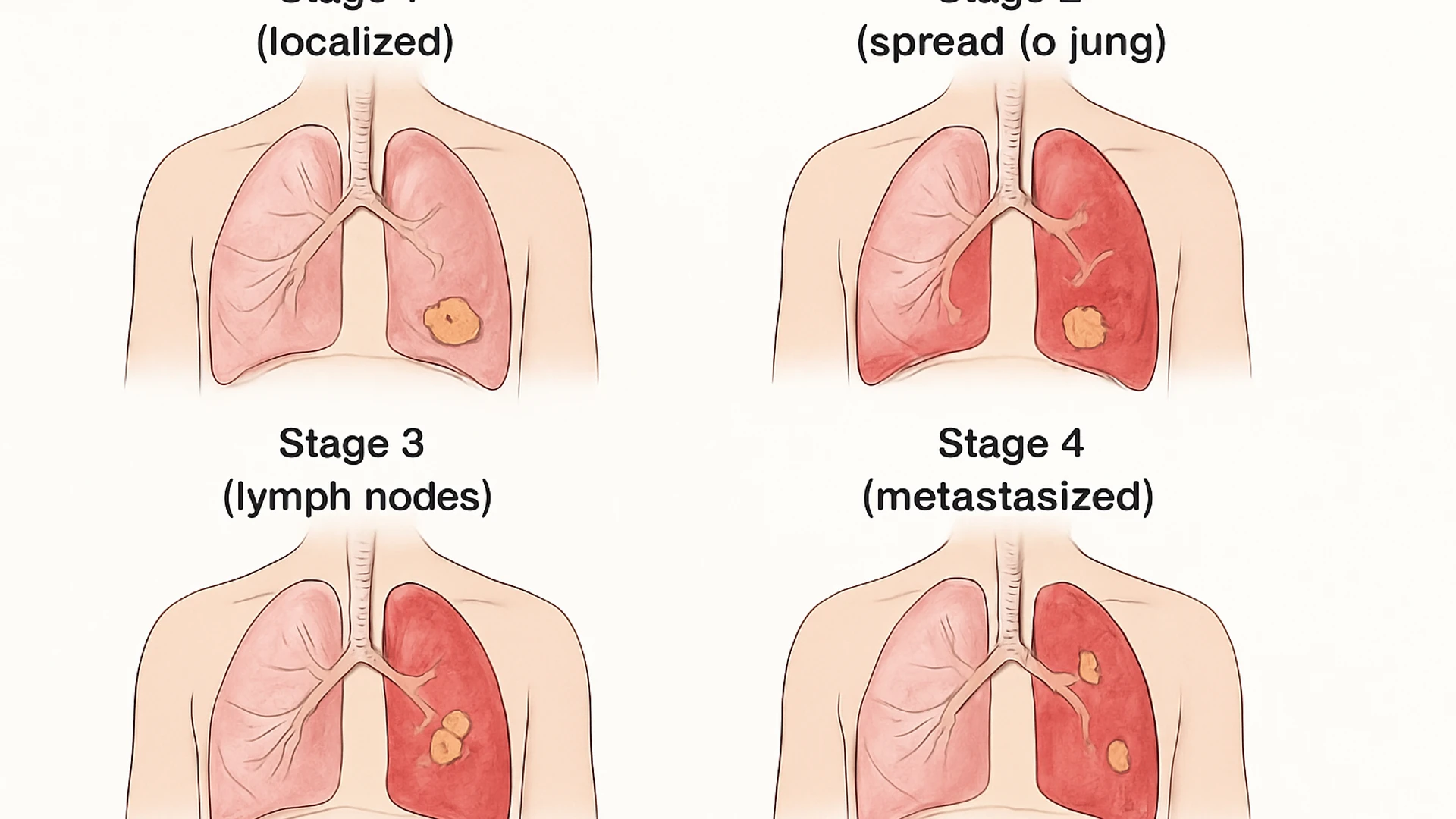
In stage 4 mesothelioma, the cancer has spread (metastasized) beyond its original location to distant parts of the body. For pleural mesothelioma, this typically means spread to:
- The opposite side of the chest
- The peritoneum (abdominal lining)
- Distant lymph nodes
- Other organs such as the liver, brain, or bones
TNM Classification for Stage 4
Under the TNM staging system:
- T4: Tumor has grown into chest wall, spine, heart, or through the diaphragm
- N3: Cancer in lymph nodes on the opposite side of the chest or above the collarbone
- M1: Distant metastasis present
Stage 4 Prognosis and Life Expectancy
Prognosis varies based on several factors:
| Factor | Impact on Prognosis |
|---|---|
| Median survival | Approximately 12 months |
| Cell type | Epithelioid: better; Sarcomatoid: worse |
| Overall health | Better health = more treatment options |
| Response to treatment | Good responders may live 18+ months |
| Treatment center | Specialists achieve better outcomes |
Remember: Statistics are averages. Some stage 4 patients have lived 2-3 years or longer, particularly those who respond well to immunotherapy.
Treatment Options for Stage 4
While curative surgery is generally not possible at stage 4, several treatments can help:
Chemotherapy
- First-line: Pemetrexed (Alimta) + cisplatin or carboplatin
- Goal: Slow cancer growth, shrink tumors, relieve symptoms
- Response rate: About 40% of patients see tumor shrinkage
- Duration: Typically 4-6 cycles
Immunotherapy
Immunotherapy has become an important option for advanced mesothelioma:
- Opdivo + Yervoy: FDA-approved first-line treatment; may extend survival to 18+ months
- Keytruda: Used for some patients, especially after chemotherapy
- Mechanism: Helps immune system recognize and attack cancer cells
- Best candidates: Patients with good performance status
Radiation Therapy
Used for symptom relief (palliative radiation):
- Pain relief for chest wall tumors
- Treatment of painful bone metastases
- Prevention of tumor growth at procedure sites
- Brain metastases treatment
Palliative Procedures
Procedures to manage symptoms:
- Thoracentesis: Draining fluid from around the lungs
- Pleurodesis: Preventing fluid from reaccumulating
- PleurX catheter: Allows home drainage of fluid
- Paracentesis: Draining abdominal fluid (peritoneal mesothelioma)
Clinical Trials
Clinical trials may offer access to:
- New immunotherapy combinations
- Targeted therapies
- Gene therapy approaches
- Cancer vaccines
Learn more about mesothelioma clinical trials →
Palliative Care: Maximizing Quality of Life
Palliative care should be integrated from diagnosis. It focuses on:
- Pain management: Medications, nerve blocks, and radiation therapy
- Breathing support: Oxygen, medications, palliative radiation for symptom relief
- Nutritional support: Maintaining strength and energy
- Emotional support: Counseling, support groups, chaplaincy
- Fatigue management: Activity pacing, medications
Learn more about palliative care →
What to Expect
Common Symptoms at Stage 4
- Shortness of breath (dyspnea)
- Chest pain
- Fatigue and weakness
- Weight loss and loss of appetite
- Cough
- Difficulty swallowing
- Symptoms related to metastases (e.g., bone pain, neurological symptoms)
End-of-Life Planning
At stage 4, it's important to have conversations about your wishes for care:
- Advance directives and living wills document your preferences
- Discussing hospice versus palliative care options helps your family understand your goals
- Communication with your care team about your values and priorities is essential
Managing Day-to-Day Life
- Pace activities and rest when needed
- Accept help from family and friends
- Stay as active as tolerated
- Eat small, frequent meals
- Communicate openly with your care team about symptoms
- Consider support groups for patients and caregivers
Questions to Ask Your Doctor
- What are my treatment options at this stage?
- What is the goal of treatment—extending life, relieving symptoms, or both?
- Am I eligible for any clinical trials?
- What side effects should I expect from treatment?
- How can we manage my symptoms most effectively?
- Should I see a palliative care specialist?
- What is my realistic prognosis?
- What resources are available for my family?
Legal Rights and Compensation
Even with advanced disease, you have legal rights:
- Expedited claims: Courts often fast-track mesothelioma cases
- Trust fund claims: Can be processed in months
- Family protection: Compensation can provide for loved ones
- No upfront costs: Most attorneys work on contingency