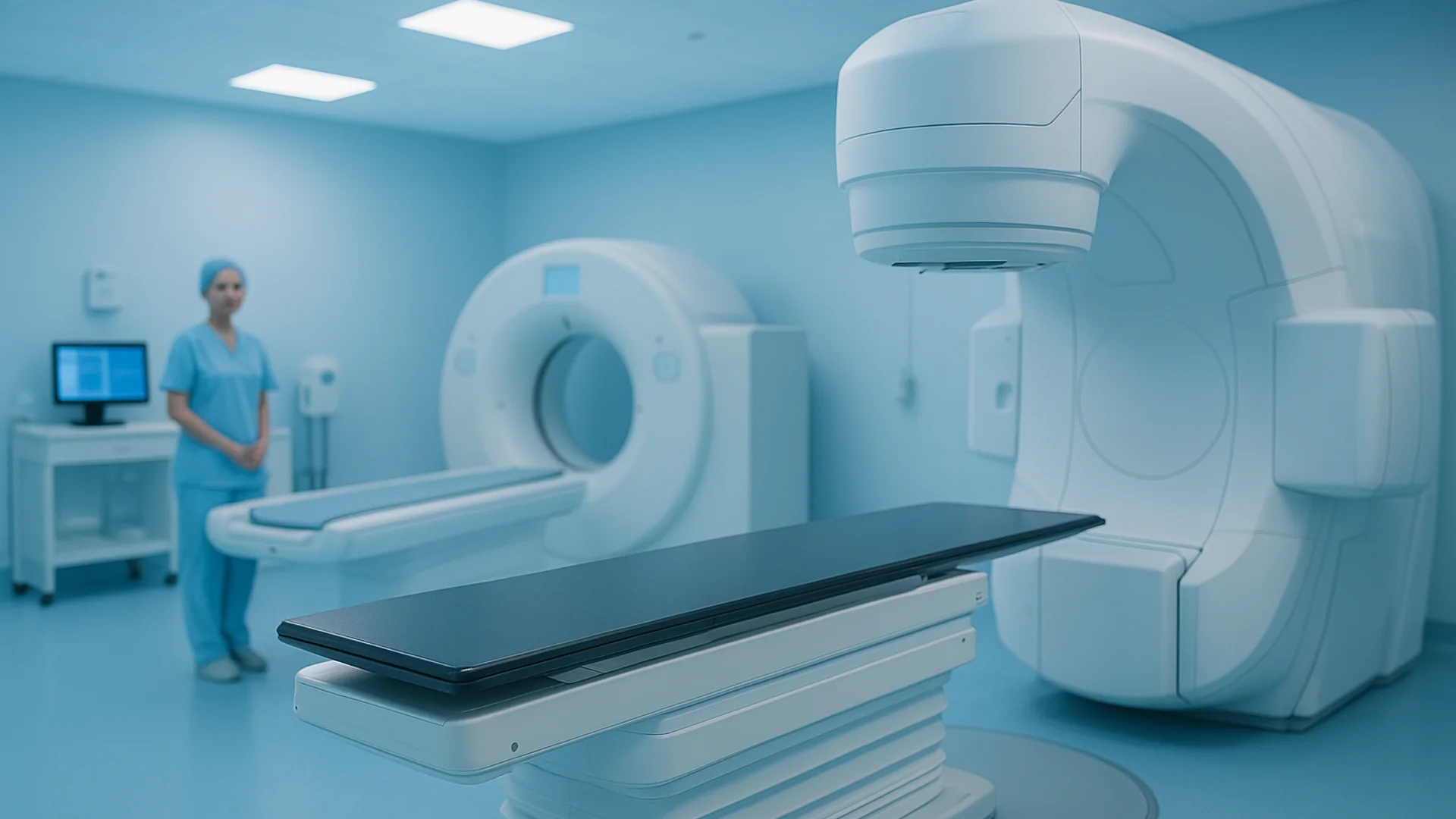
Radiation therapy uses high-energy beams to destroy cancer cells. For mesothelioma, it serves various roles—from preventing recurrence after surgery to relieving pain and improving quality of life.
Advanced radiation therapy technology targets cancer cells while sparing healthy tissue
How Radiation Therapy Works
Radiation damages the DNA of cancer cells, preventing them from dividing and growing. While healthy cells can often repair this damage, cancer cells are less able to do so, leading to cell death.
Medical Disclaimer: The information provided is for educational purposes only and is not intended as a substitute for professional medical advice, diagnosis, or treatment. Always seek the advice of your physician or other qualified health provider with any questions you may have regarding a medical condition. Never disregard professional medical advice or delay in seeking it because of something you have read on this website.
Several forms of radiation therapy are used in mesothelioma treatment, each with specific indications and advantages. External beam radiation therapy (EBRT) is the most common approach, delivering high-energy X-rays from a machine outside the body directed at the tumor. Within EBRT, intensity-modulated radiation therapy (IMRT) represents a significant advancement because it allows radiation oncologists to vary the intensity of the beam across the treatment field, conforming the radiation dose more precisely to the shape of the tumor while reducing exposure to surrounding healthy tissues like the heart, esophagus, and spinal cord.
Three-dimensional conformal radiation therapy (3D-CRT) uses CT imaging to create a detailed map of the tumor and surrounding anatomy, then shapes the radiation beams to match the tumor's contours. While effective, 3D-CRT is less precise than IMRT in sparing normal tissue. Proton beam therapy is a newer form of radiation that uses protons rather than X-rays. Because protons deposit most of their energy at a specific depth (the Bragg peak) and deliver very little radiation beyond that point, proton therapy can potentially reduce damage to nearby organs. Several clinical trials are evaluating proton therapy for mesothelioma, particularly in the adjuvant setting after pleurectomy/decortication.
When Radiation Is Used in Mesothelioma Treatment
Radiation therapy serves different purposes depending on the stage of disease and overall treatment plan. As adjuvant therapy following surgery, radiation targets the surgical bed and areas where residual microscopic disease is most likely. Hemithoracic radiation after EPP (extrapleural pneumonectomy) has been studied extensively, though the SMART trial protocol—which delivers short, high-dose radiation before surgery—is an alternative approach being investigated at selected centers.
Palliative radiation therapy is used to relieve symptoms in patients with advanced mesothelioma. It can reduce chest wall pain caused by tumor invasion of the ribs and intercostal nerves, decrease the size of tumor masses causing compression of the lungs or other structures, and treat tumor deposits at biopsy or surgical port sites (prophylactic tract irradiation). Palliative courses are generally shorter and use lower total doses than curative-intent treatments, typically consisting of 5-10 treatment sessions over 1-2 weeks.
Treatment Planning and Delivery
Radiation therapy for mesothelioma requires careful treatment planning due to the tumor's proximity to critical organs. The planning process begins with a simulation session, during which a CT scan is performed with the patient positioned exactly as they will be during treatment. Radiation oncologists then use specialized software to design a treatment plan that maximizes the dose to the tumor while keeping radiation to the heart, lungs, liver, kidneys, and spinal cord within safe limits.
Each treatment session typically lasts 15-30 minutes, though the actual radiation delivery takes only a few minutes. Most patients receive treatment five days per week over a period of several weeks. The total dose and number of sessions depend on whether the intent is curative (typically 45-54 Gy delivered in 25-30 fractions) or palliative (typically 20-30 Gy in 5-10 fractions). Image-guided radiation therapy (IGRT) uses daily imaging to verify patient positioning and tumor location before each treatment, ensuring accuracy throughout the course of therapy.
Side Effects of Radiation Therapy
Side effects from radiation therapy for mesothelioma depend on the treatment area, total dose, and individual patient factors. Common acute side effects include fatigue, skin changes (redness, dryness, or tenderness) in the treatment area, mild esophagitis (irritation of the esophagus causing difficulty swallowing), and temporary worsening of shortness of breath. These effects typically develop gradually during the course of treatment and resolve within a few weeks after treatment concludes.
Less common but more serious potential side effects include radiation pneumonitis (inflammation of lung tissue), which can develop weeks to months after treatment and may cause cough, shortness of breath, and low-grade fever. Radiation pneumonitis occurs more frequently when radiation is delivered to the intact lung (as opposed to after pneumonectomy, when the lung has been removed). Cardiac toxicity is a concern when the heart is within or near the radiation field, which underscores the importance of advanced planning techniques like IMRT that minimize cardiac exposure. Your radiation oncologist will discuss the specific risks relevant to your treatment plan and monitor for side effects throughout and after therapy.
Legal Time Limits
Each state has strict deadlines for filing mesothelioma claims. Don't wait to understand your legal options.