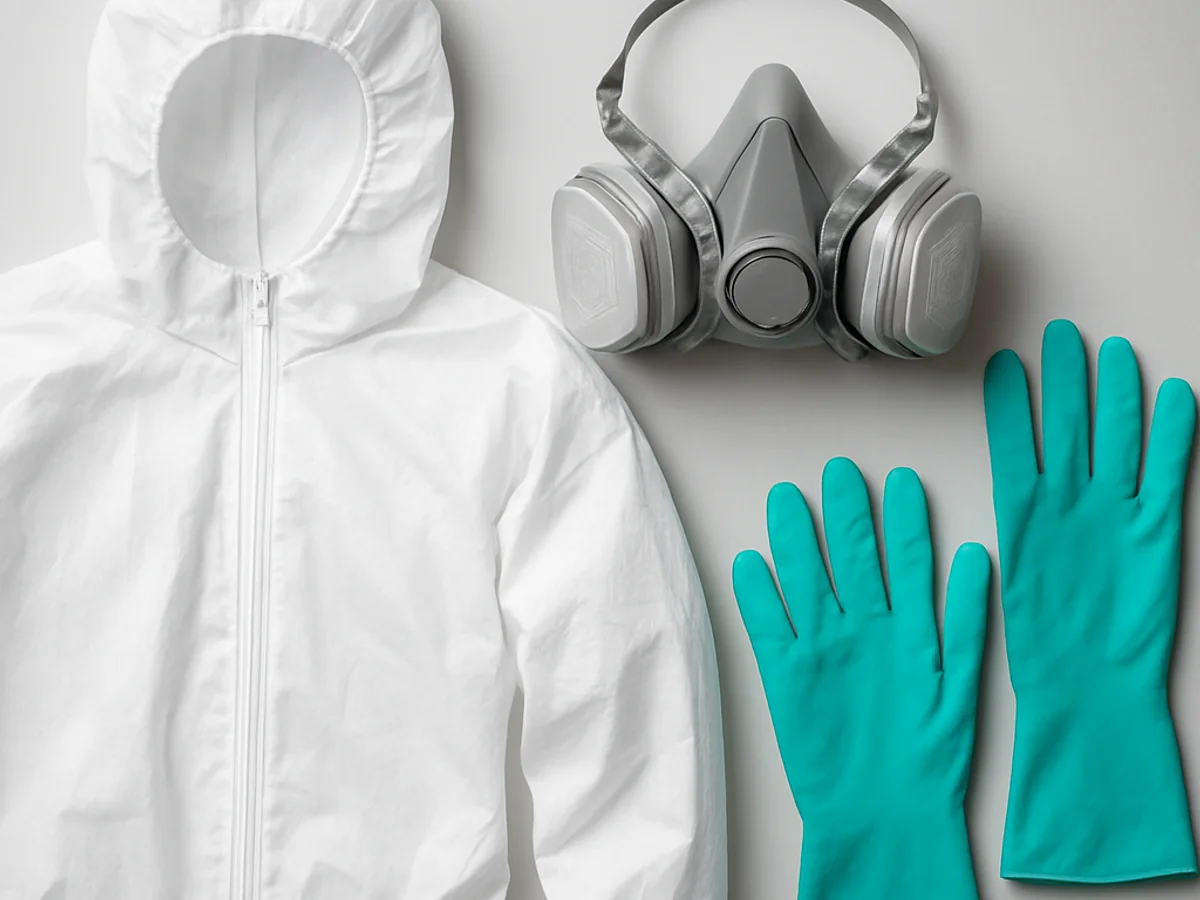
How Firefighters Are Exposed to Asbestos
Primary Exposure Mechanisms
Firefighters encounter asbestos through several distinct pathways during their careers:
Structural Materials in Buildings
Older buildings (constructed before the 1980s) contain extensive asbestos in insulation, fireproofing materials, and structural components. When fires burn these buildings, asbestos fibers are released into the air and inhaled by firefighters. Even residential homes built with asbestos-containing materials pose exposure risks.
Fire Equipment and Gear
Firefighting equipment manufactured before asbestos bans contained asbestos in:
- Brake linings and clutch pads (older fire apparatus)
- Gaskets and seals
- Protective suit linings (some vintage gear)
- Adhesives and sealants
Handling and maintaining this equipment exposed firefighters to asbestos dust.
Firehouses and Equipment Facilities
Many firehouses built decades ago contain asbestos in walls, floors, ceiling tiles, pipe insulation, and structural materials. Daily exposure in firehouses compounds occupational exposure from fire scenes.
Duration and Intensity of Exposure
Unlike single-exposure occupations, firefighters experience repeated exposure throughout long careers (typically 20-30+ years). Each fire scene potentially exposes firefighters to asbestos-laden smoke and dust. The cumulative effect of decades of exposure significantly increases mesothelioma risk.
Types of Asbestos Exposure in Firefighting
Inhalation Exposure (Primary Route)
The most dangerous exposure occurs through breathing asbestos fibers released from burning or damaged materials. Firefighters inhale these microscopic fibers, which lodge in lung tissue and the pleura. Even when wearing respiratory protection, some exposure can occur through mask leakage or improper equipment use.
Asbestos in Common Building Materials
Firefighters encounter asbestos in:
- Insulation: Pipe insulation, wall insulation, attic insulation
- Fireproofing: Sprayed asbestos fireproofing on steel structures
- Roofing: Asbestos shingles, felts, and adhesives
- Floor and ceiling tiles: Vinyl asbestos tiles and acoustic ceiling tiles
- Wallboard: Joint compounds and spackling compounds
- Adhesives and mastics: Various construction products
Secondary Exposure
Firefighters may carry asbestos fibers home on clothing, equipment, and skin. Family members can be exposed through washing contaminated gear or contact with exposed fibers, though occupational exposure for family members is typically minimal.
Environmental Exposure
Firefighters who work near demolition sites, during structural collapses, or in areas with significant dust generation face higher environmental asbestos concentrations.
Risk Statistics for Firefighters
Elevated Mesothelioma Rates
Research demonstrates that firefighters have elevated mesothelioma rates compared to the general population:
- Firefighters have approximately 2-3 times higher risk of mesothelioma than non-occupationally exposed individuals
- Studies of firefighter cohorts show mesothelioma incidence rates of 0.5-2 cases per 100,000 annually (vs. 0.05-0.1 per 100,000 in general population)
- Latency period averages 20-30 years after initial exposure (range 10-50 years)
Career Length and Risk
Risk increases with career duration:
- Firefighters with 20+ year careers face significantly higher risk
- Exposure before asbestos regulations (pre-1980s) carried higher risk
- Multiple fire departments or jurisdictions may increase cumulative exposure
Type of Service and Risk
Structural firefighters (responding to building fires) face higher risk than wildfire-only responders. Metropolitan firefighters in older cities with older building stock face higher cumulative exposure.
Gender Differences
Male firefighters comprise the vast majority of occupational cases, though female firefighters face equivalent exposure risks and can develop mesothelioma.
Protective Equipment and Safety Measures
Modern Respiratory Protection
Contemporary respiratory protective equipment (SCBA - Self-Contained Breathing Apparatus) provides significant protection when properly fitted and used correctly. However, older equipment or improper use may not prevent all exposure.
Decontamination Procedures
Modern firehouses emphasize:
- Proper decontamination after fire scenes
- Separate storage of contaminated gear
- Regular cleaning of protective equipment
- Dedicated decontamination areas
Workplace Regulations
The Occupational Safety and Health Administration (OSHA) provides regulations for asbestos exposure, including:
- Permissible Exposure Limits (PEL) of 0.1 fibers per cubic centimeter over an 8-hour average
- Requirements for monitoring and record-keeping
- Medical surveillance programs for exposed workers
Best Practices for Modern Firefighters
- Always use properly fitted SCBA at fire scenes
- Follow departmental decontamination protocols
- Avoid unnecessary exposure to equipment maintenance
- Report building conditions likely to contain asbestos
- Maintain awareness of asbestos risks
Historical vs. Modern Protection
Firefighters who served before the 1980s often lacked adequate respiratory protection and worked with asbestos-containing equipment. These workers face higher mesothelioma risk. Modern safety improvements have reduced (but not eliminated) occupational asbestos exposure.
VA Benefits and Workers' Compensation
Veterans Firefighters
Firefighters who served in the military and were exposed to asbestos during military service may qualify for VA disability benefits:
- Disability compensation: Monthly payment based on disability rating
- Healthcare benefits: Treatment through VA medical centers
- Survivor benefits: Family members of deceased veterans receive Dependency and Indemnity Compensation (DIC)
Workers' Compensation
Many states recognize mesothelioma as an occupational disease for firefighters:
- Medical benefits: All treatment costs covered
- Wage replacement: Partial income during treatment and disability
- Permanent disability benefits: Lump-sum or ongoing payments
- Death benefits: Family receives benefits if disease is fatal
Occupational Disease Presumptions
Some states have created presumptions that mesothelioma in firefighters is occupational (not requiring proof of workplace exposure). Check your state's workers' compensation rules.
Combined Benefits
Veterans may receive both VA benefits and workers' compensation, or elect between them. The interaction depends on whether exposure occurred during military service, civilian employment, or both.
Legal Options for Firefighters with Mesothelioma
Asbestos Trust Fund Claims
Manufacturers of asbestos-containing products, equipment, and building materials established bankruptcy trusts. Firefighters can file claims with multiple trusts based on products they encountered, including:
- Equipment manufacturers (brake, clutch, gasket makers)
- Building material manufacturers
- Insulation manufacturers
- Fireproofing product makers
Trust fund claims typically pay faster than lawsuits and may recover $50,000-$500,000+ depending on the trust.
Lawsuits Against Manufacturers
Firefighters can sue manufacturers of asbestos-containing products and materials for:
- Personal injury damages (medical expenses, pain and suffering)
- Lost wages and earning capacity
- In some cases, punitive damages for gross negligence
Settlements typically range from $500,000 to $3+ million depending on case factors.
Wrongful Death Lawsuits
If a firefighter dies from mesothelioma, family members can file wrongful death suits for damages including medical expenses, lost income, funeral costs, and loss of companionship.
Government Tort Claims
In rare cases, firefighters may pursue claims against government entities for inadequate safety practices or failure to prevent exposure. These claims face procedural hurdles due to sovereign immunity laws.
Statute of Limitations
Statute of limitations vary by state but typically provide 1-3 years from diagnosis to file a lawsuit. Given the critical nature of timing, consult an attorney immediately upon diagnosis.
Frequently Asked Questions
Are firefighters at particularly high risk for mesothelioma?
Yes. Firefighters have 2-3 times higher mesothelioma risk than the general population due to repeated occupational asbestos exposure in burning buildings and fire equipment. The risk is cumulative across decades of career service.
How long after asbestos exposure does mesothelioma develop?
Mesothelioma typically develops 10-50 years (averaging 20-30 years) after initial asbestos exposure. A firefighter exposed in their 30s might not develop symptoms until their 50s or 60s.
Should I get medical screening if I'm a retired firefighter?
Yes. If you had a lengthy firefighting career, especially before the 1980s, discuss asbestos exposure screening with your doctor. Early detection of mesothelioma or pleural changes can allow more treatment options. Annual chest X-rays or CT scans may be appropriate.
Can I file a workers' compensation claim decades after retirement?
Yes, in most states. Mesothelioma diagnosed years or decades after retirement is still covered by workers' compensation if it resulted from occupational exposure. Claims can be filed during treatment or after diagnosis.
What should I do if diagnosed with mesothelioma?
Immediately: (1) Consult with a mesothelioma specialist about treatment options, (2) Contact a mesothelioma attorney about your legal options and statute of limitations, (3) File workers' compensation claims if applicable, (4) Seek VA benefits if you're a veteran. Time is critical as deadlines apply.
Medically Reviewed
Dr. Sarah Chen, MD, MPH
Board-Certified Oncologist — Thoracic Oncology Specialist
Last reviewed: March 2026 | Our Editorial Process
Medical References
- Järvholm B, et al. (2015). Asbestos exposure among firefighters. American Journal of Industrial Medicine, 58(2):183-189. PMID: 25515633
- Weill H, et al. (2004). Mesothelioma attributable to occupational exposure in the United States. Annals of the New York Academy of Sciences, 1076(1):206-211. PMID: 15313514
- National Institute for Occupational Safety and Health (NIOSH). (2019). Asbestos Exposure in the Firefighting Profession. Current Intelligence Bulletin.
- American Cancer Society. (2026). Cancer statistics for occupational exposures. Retrieved March 2026.
- American Occupational Medical Association. (2026). Firefighter asbestos exposure and health surveillance. Retrieved March 2026.