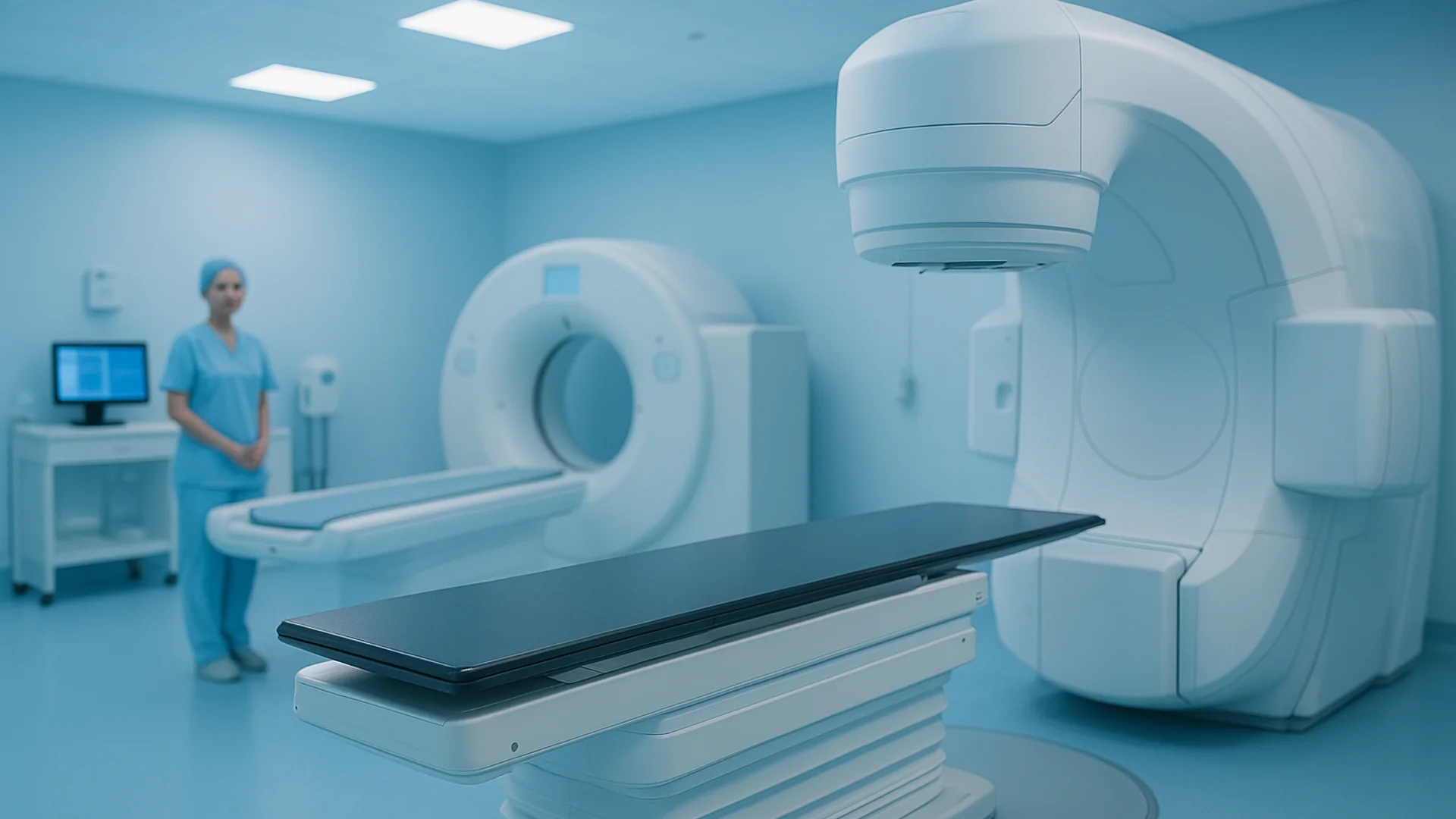
What is Pleurectomy Decortication Surgery?
Pleurectomy decortication (P/D) is a curative surgical procedure designed to remove as much mesothelioma tumor as possible while preserving the lungs. It's one of the primary surgical options for patients with pleural mesothelioma.
The Two-Part Procedure
Pleurectomy: The surgeon removes the parietal pleura, which is the outer lining of tissue surrounding the lungs and inner chest wall. This is where mesothelioma typically originates.
Decortication: The visceral pleura, a fibrous layer coating the lung surface, is carefully removed. This decortication process allows the compressed lung to re-expand and function more effectively.
Why P/D is Preferred for Some Patients
P/D preserves lung tissue, which maintains greater lung capacity and breathing function compared to extrapleural pneumonectomy (EPP). Patients retain both lungs and experience better long-term quality of life, though it may not remove as much tumor in advanced cases.
Who Qualifies for Pleurectomy Decortication Surgery?
Not all mesothelioma patients are candidates for P/D surgery. Careful patient selection is critical for optimal outcomes.
Ideal Candidate Criteria
- Early-stage disease: Stage I-II pleural mesothelioma (though selected Stage III patients may qualify)
- Good performance status: Able to tolerate a major 2-4 hour surgical procedure
- Adequate lung function: FEV1 (forced expiratory volume) typically ≥40% predicted
- Cardiac fitness: Heart function sufficient to tolerate surgery and anesthesia
- No major comorbidities: Controlled diabetes, hypertension, and other chronic conditions
- Tumor resectability: Surgeon assessment that tumor can be adequately removed
- Age: Generally under 75 years, though age alone isn't a contraindication
Who May Not Be Suitable
Patients with advanced disease (Stage IV), severe pulmonary or cardiac disease, extensive tumor invasion, or poor overall health may benefit more from palliative approaches or consider EPP if eligible. Your surgical team will conduct comprehensive testing to determine suitability.
The Pleurectomy Decortication Procedure: Step-by-Step
Understanding the actual procedure helps patients prepare mentally and know what to expect.
Pre-Operative Preparation
- General anesthesia and intubation (breathing tube)
- Single-lung ventilation (one lung ventilated while surgeon works in the other pleural space)
- Positioning for optimal surgical access (typically lateral decubitus position)
- Surgical team includes thoracic surgeon, cardiothoracic anesthesiologist, and surgical nurses
Surgical Steps
1. Incision: A thoracotomy incision is made, typically along the side of the chest between the ribs. Some surgeons use VATS (video-assisted thoracoscopic surgery) for minimally invasive access.
2. Pleural Removal: The parietal pleura lining the chest wall is carefully separated and removed. The surgeon identifies and avoids vital structures like blood vessels and nerves.
3. Decortication: The visceral pleura coating the lung surface is gently dissected and stripped away. This requires precise technique to avoid lung perforation. The diaphragm and pericardium (heart lining) are also stripped of pleural tissue as needed.
4. Lymph Node Removal: Regional lymph nodes are often removed and sent for pathological examination to assess disease extent and guide subsequent chemotherapy decisions.
5. Hemostasis: All bleeding is controlled using electrocautery, ligatures, and other hemostatic techniques.
6. Chest Tube Placement: One or more chest tubes are placed to drain air, fluid, and blood from the pleural space.
7. Closure: The chest wall is closed in layers. Most surgeons place dissolvable sutures internally and skin staples or sutures externally.
Duration and Setting
The procedure typically takes 2-4 hours depending on disease extent and surgical complexity. It's performed in a fully equipped operating room with cardiopulmonary backup immediately available.
Recovery Timeline & Hospital Stay
Recovery from P/D is generally faster than extrapleural pneumonectomy, though it remains a major surgical procedure.
Immediate Post-Operative (Days 1-3)
- ICU or high-dependency unit monitoring
- Vital signs continuously monitored
- Chest tubes in place to drain fluid and air
- IV pain medications and fluids
- Initial breathing exercises with incentive spirometer
- Early mobilization encouraged (sitting up, standing with assistance)
Hospital Stay (Days 4-21)
- Transfer to regular surgical floor after initial stabilization
- Chest tubes removed once drainage decreases (typically days 3-7)
- Transition to oral pain medications as healing progresses
- Physical therapy and breathing exercises intensified
- Gradual advancement of activity and walking distances
- Most patients discharged after 2-4 weeks, average 3 weeks
Home Recovery (Weeks 1-12)
Weeks 1-2: Focus on rest, pain management, and controlled activity. Avoid heavy lifting (over 10 lbs) and strenuous activity. Attend outpatient physical therapy if available.
Weeks 3-4: Gradually increase walking distance and light activity. Begin returning to desk work if able. Continue pain management as needed.
Weeks 5-8: Most patients feel significantly improved. Can typically resume light exercise, driving (with surgeon approval), and normal daily routines. Some may return to work part-time.
Weeks 9-12: Full recovery typically achieved. Most patients can return to pre-operative activity levels, though may have some permanent activity restrictions.
Survival Statistics & Outcomes After P/D
Understanding realistic survival expectations helps patients set treatment goals and plan ahead.
Median Overall Survival
- P/D alone: 12-18 months median overall survival
- P/D + chemotherapy: 18-30 months median overall survival
- P/D + chemotherapy + radiation: Up to 24-36 months in selected patients
Factors Affecting Survival
- Stage at diagnosis: Stage I patients have significantly better outcomes than Stage IV
- Cell type: Epithelioid histology has better prognosis than sarcomatoid or biphasic
- Age: Younger patients generally have better survival
- Completeness of resection: R0 resection (complete tumor removal) improves survival
- Response to chemotherapy: Patients with good chemotherapy response have longer survival
- Multimodal therapy: Surgery combined with chemotherapy/radiation yields better outcomes than single modality
Quality of Life After P/D
Because P/D preserves lung tissue, patients typically maintain better long-term lung function and quality of life compared to EPP. Many patients report good functional status and ability to perform daily activities even during ongoing treatment and follow-up.
Risks & Potential Complications
Like all major surgical procedures, P/D carries certain risks. Understanding potential complications allows early recognition and treatment.
Early Complications (During Hospital Stay)
- Air leak: Air continuing to leak from lung through the incision site. Usually resolves with continued chest tube drainage
- Infection: Surgical site infection or pneumonia. Treated with antibiotics
- Bleeding: Excessive bleeding from surgical site requiring transfusion or return to OR
- Blood clots: Deep vein thrombosis (DVT) in legs or pulmonary embolism (PE) in lungs. Life-threatening if untreated
- Arrhythmia: Abnormal heart rhythms, particularly atrial fibrillation
- Fluid accumulation: Pleural effusion or pericardial fluid requiring drainage
Late Complications (Weeks to Months)
- Chronic pain: Persistent chest wall or neuropathic pain requiring ongoing management
- Pulmonary issues: Reduced lung function, persistent cough, or shortness of breath
- Scar formation: Adhesions or fibrosis limiting lung re-expansion
- Infection: Late surgical site infection or empyema (infected pleural fluid)
Risk Reduction Strategies
- Choosing experienced mesothelioma surgeons at high-volume centers
- Aggressive prophylaxis against blood clots (sequential compression devices, anticoagulation)
- Early mobilization and physical therapy
- Smoking cessation before surgery
- Optimizing cardiac and pulmonary function pre-operatively
Pleurectomy Decortication vs Extrapleural Pneumonectomy
Both P/D and EPP are curative surgical approaches for pleural mesothelioma. The choice between them depends on several factors.
Key Differences
| Factor | P/D Surgery | EPP Surgery |
|---|---|---|
| Lung Preservation | Lungs preserved | One lung removed |
| Procedure Duration | 2-4 hours | 3-6 hours |
| Hospital Stay | 2-4 weeks | 3-4 weeks |
| Tumor Removal | Pleura and superficial tumor | More extensive resection |
| Lung Function Post-Op | 80-90% of baseline | 50% of baseline |
| Median Survival | 18-30 months with chemo | 14-20 months with chemo |
| Best For | Early-stage, good lung function | Advanced disease, compromised lung |
Which Surgery is Right?
P/D is preferred when: Disease is early-stage (I-II), patient has good lung function, goal is maximizing long-term quality of life and functional status.
EPP may be considered when: Disease is advanced with extensive pleural involvement, patient has compromised lung function on one side, more aggressive tumor removal is needed for adequate staging and treatment.
Your surgical team will discuss both options based on your specific staging, imaging findings, and overall fitness for surgery.
Finding a Qualified P/D Specialist Surgeon
Surgical expertise is critical for optimal outcomes. Seek surgeons experienced in mesothelioma treatment.
Where to Find P/D Surgeons
- National Cancer Institute (NCI): Cancer center locator at cancer.gov
- Mesothelioma organizations: Meso Foundation, American Meso Foundation provide surgeon databases
- Major cancer centers: MD Anderson, Memorial Sloan Kettering, Dana-Farber, and others specializing in mesothelioma
- Medical schools and teaching hospitals: Often have thoracic surgery expertise in mesothelioma
- Your oncologist: Can provide referrals to experienced mesothelioma surgeons
Questions to Ask Potential Surgeons
- How many pleurectomy decortication procedures have you performed?
- What is your complication rate and 30-day mortality?
- What is your approach to post-operative chemotherapy?
- Do you work in a multidisciplinary tumor board setting?
- What are your long-term survival outcomes for similar patients?
- How do you handle complications like air leaks?
- Do you offer follow-up care coordination with oncology?
Seek Second Opinions
It's completely appropriate and encouraged to seek second opinions from other experienced surgeons before committing to P/D surgery. Different experts may have varying assessment of resectability and optimal approach.
Frequently Asked Questions About P/D Surgery
Can I have chemotherapy before pleurectomy decortication?
Yes, neoadjuvant chemotherapy (before surgery) is commonly used. It may shrink tumors, improve resectability, and eliminate micrometastases. However, timing must be carefully coordinated with your surgical team to ensure adequate healing before surgery.
When should chemotherapy start after P/D recovery?
Most patients begin chemotherapy 4-8 weeks after P/D surgery, once incisions are healed and strength has recovered. Your surgical and oncology teams will coordinate timing. Chemotherapy significantly improves outcomes and is strongly recommended after P/D.
What happens if the surgeon finds the tumor cannot be completely removed during P/D?
If extensive tumor is found during surgery making complete resection impossible, the surgeon may convert to EPP or perform a palliative P/D to remove as much disease as possible. This decision is made intraoperatively based on what's encountered.
Can I have P/D if I've already had chemotherapy?
Yes. Patients typically receive chemotherapy before or after surgery. Some regimens involve both neoadjuvant (before) and adjuvant (after) chemotherapy. Your team will determine the optimal sequence.
What is the difference between P/D and other chest surgery I might have had?
P/D is more extensive than routine thoracic procedures like thoracoscopy or biopsy because it requires removing large tissue areas. It's less extensive than EPP because both lungs are preserved. Recovery is longer than minimally invasive procedures but generally faster than EPP.
Know Your Legal Rights
If you or a loved one has been diagnosed with mesothelioma due to asbestos exposure, you may be entitled to significant compensation. Many patients can recover substantial settlements through lawsuits, trust funds, and VA benefits.
Sources & References
- Flores RM, et al. Extrapleural Pneumonectomy Versus Pleurectomy/Decortication. J Thorac Cardiovasc Surg. 2008
- Lang-Lazdunski L, et al. Pleurectomy/decortication, hyperthermic pleural lavage with povidone-iodine, prophylactic radiotherapy, and systemic chemotherapy in patients with malignant pleural mesothelioma. J Thorac Cardiovasc Surg. 2012
Medically Reviewed
Dr. Sarah Chen, MD, MPH
Board-Certified Oncologist — Thoracic Oncology Specialist
Last reviewed: March 2026 | Our Editorial Process
Medical References
- Treasure T, et al. (2011). The role of surgery in the treatment of mesothelioma. Lung Cancer, 72(2):143-149. PMID: 20599300
- Flores RM, et al. (2012). Pleurectomy/decortication for advanced mesothelioma. Thorac Surg Clin, 22(3):431-444. PMID: 22813570
- Sugarbaker DJ, et al. (2013). Adult Chest Surgery (3rd ed.). McGraw Hill Professional.
- Baas P, et al. (2015). Malignant pleural mesothelioma. Nat Rev Dis Primers, 3:1-20. PMID: 27277755
- Pass HI, et al. (2012). Mesothelioma research: a review of animal models and mechanistic studies. Ann Thorac Surg, 95(5):1787-95. PMID: 22583533