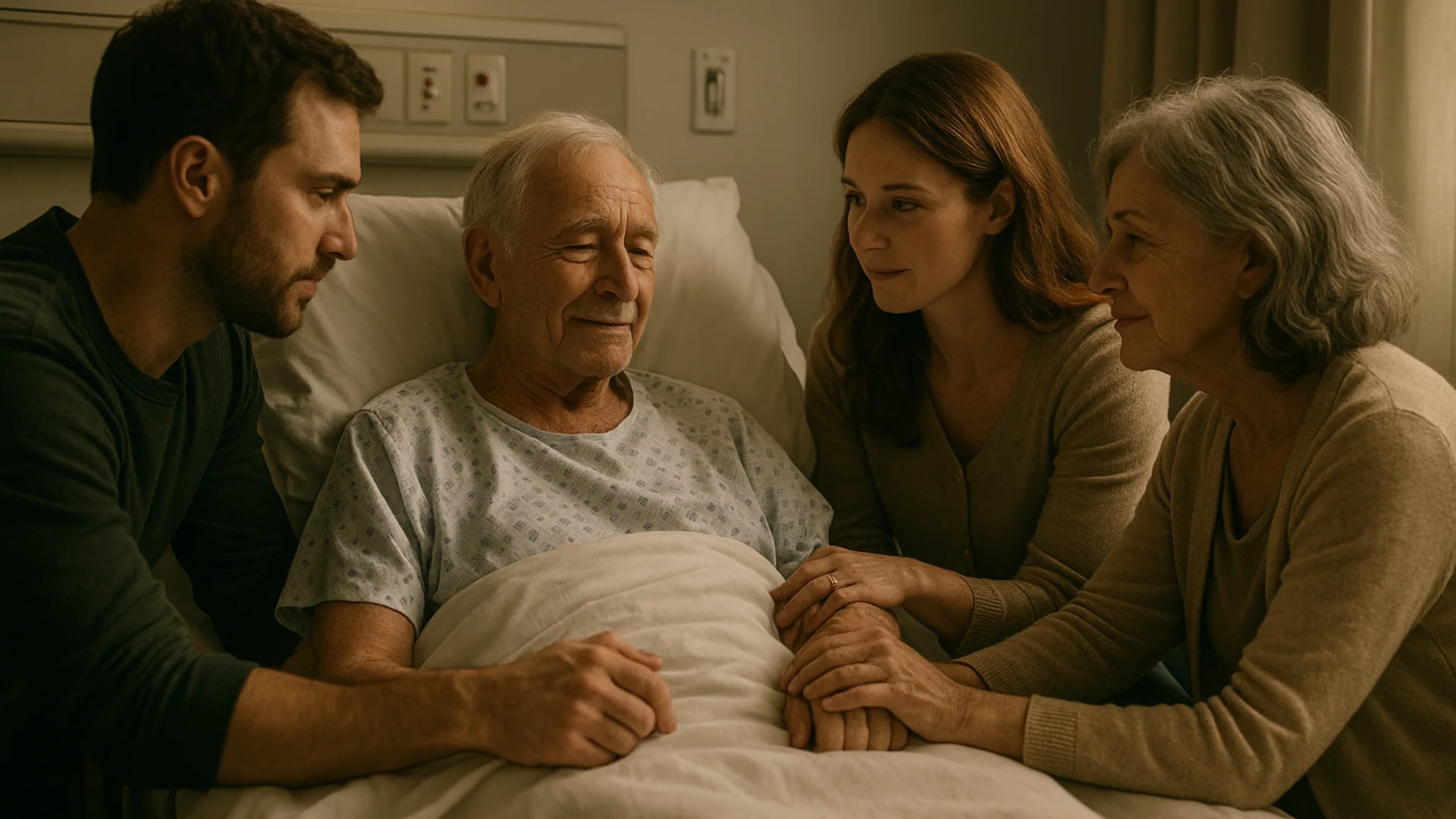
To Every Caregiver Reading This
What you're doing matters. The care you provide—whether it's managing medications, preparing meals, or simply holding a hand—makes an enormous difference in your loved one's quality of life. Remember: You can't pour from an empty cup. Taking care of yourself isn't selfish—it's necessary.
Practical Caregiving Tasks
Medical Care Coordination
- Medication management: Track doses, times, and side effects
- Appointment scheduling: Coordinate multiple specialists
- Medical records: Organize test results and reports
- Symptom tracking: Note changes to report to doctors
- Equipment: Oxygen, hospital beds, mobility aids
Symptom Management at Home
- Shortness of breath: Positioning, oxygen, fan therapy
- Pain: Medication timing, comfort measures
- Fatigue: Energy conservation, rest periods
- Appetite: Small meals, favorite foods, supplements
- Anxiety: Calm environment, breathing exercises
Daily Living Assistance
- Bathing and personal hygiene
- Dressing
- Meal preparation
- Housekeeping
- Transportation
Emotional Support for Caregivers
Common Caregiver Emotions
It's normal to experience:
- Grief: For the life you had planned
- Anxiety: About the future
- Anger: At the disease, situation, or even your loved one
- Guilt: For feeling overwhelmed or resentful
- Loneliness: Even when constantly with someone
- Exhaustion: Physical and emotional
All of these feelings are valid. Having them doesn't make you a bad caregiver—it makes you human. Professional grief counseling can provide support during this challenging journey.
Support Resources
- Caregiver support groups: Connect with others who understand
- Individual grief counseling: Professional support to process emotions
- Online communities: 24/7 support from home
- Respite care: Temporary relief so you can rest
- Family and friends: Accept help when offered
Respite Care Options
Taking breaks is essential for sustainable caregiving:
Types of Respite
- In-home respite: Professional caregiver comes to you
- Adult day programs: Social and medical care during day
- Short-term residential: Temporary facility stays
- Volunteer programs: Free companion services
- Family/friend rotation: Share responsibilities
Self-Care Strategies
Physical Self-Care
- Sleep when your loved one sleeps
- Eat regular, nutritious meals
- Light exercise when possible
- Keep up with your own medical appointments
- Accept that you can't do everything perfectly
Emotional Self-Care
- Set boundaries—it's okay to say no
- Maintain hobbies and interests
- Connect with friends
- Journal your feelings
- Practice mindfulness or meditation
- Consider counseling
Practical Self-Care
- Delegate tasks
- Use organizational tools
- Accept help
- Join caregiver support groups
- Know your limits
Financial Resources for Caregivers
- Family and Medical Leave Act (FMLA): Job protection
- Social Security: Caregiver benefits in some cases
- Veterans benefits: If patient is veteran
- State programs: Paid family leave in some states
- Employer benefits: Check your workplace policies
Important Legal Documents
Ensure these are in place as part of end-of-life planning and preparation:
- Durable Power of Attorney: Financial decisions
- Healthcare Proxy: Medical decisions
- Living Will: End-of-life wishes
- HIPAA Release: Access to medical information
When to Seek Additional Help
Contact healthcare team if:
- Symptoms worsen
- New symptoms develop
- You're unable to manage care
- Patient refuses medications
- Safety concerns arise
Remember
- You are doing enough
- It's okay to ask for help
- Taking care of yourself helps you care for them
- Your feelings are valid
- You don't have to be perfect
- Support is available—including support resources for children affected by the illness and online forums and communities