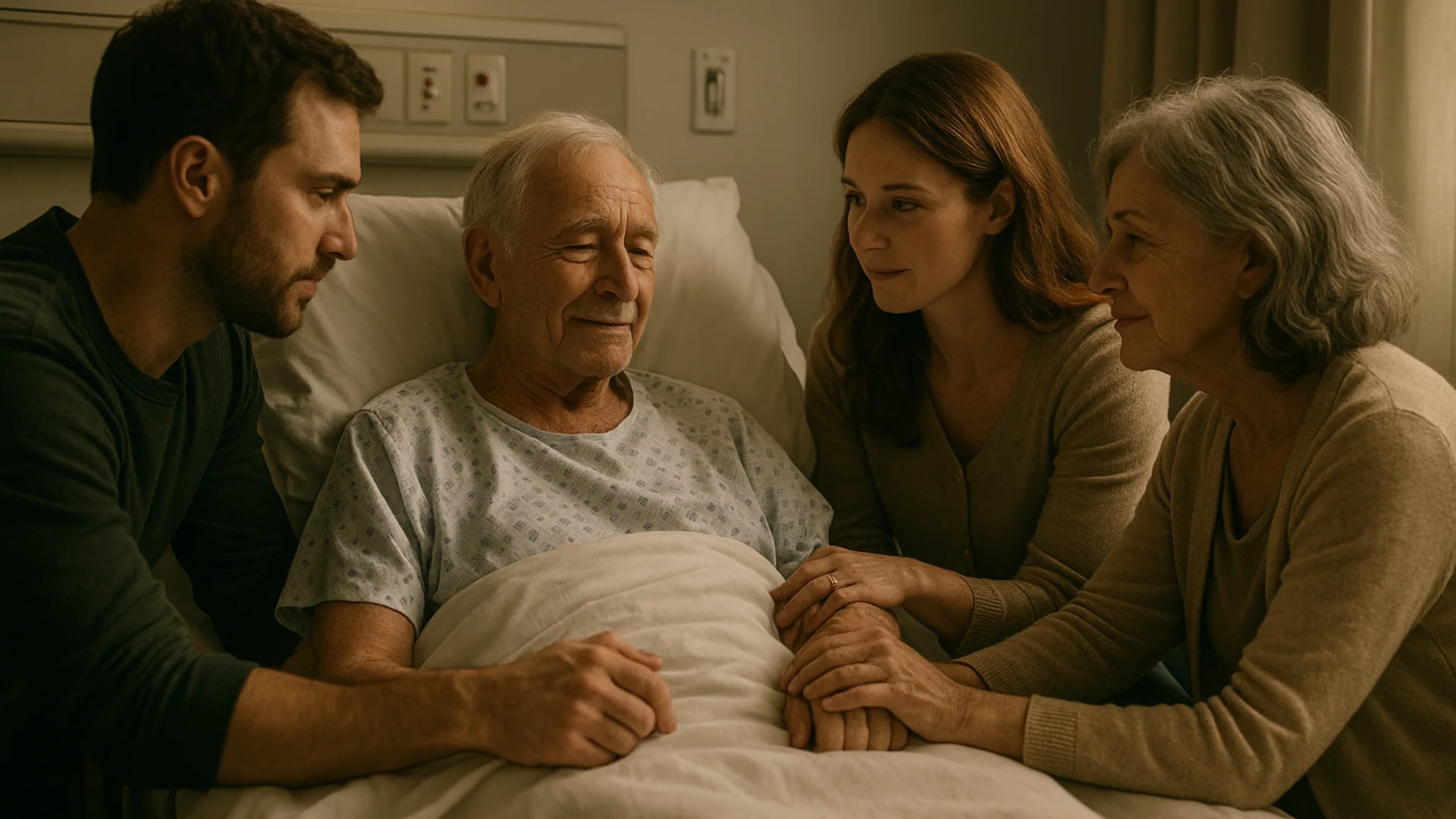
Understanding the Impact on Children
When a parent receives a mesothelioma diagnosis, it triggers significant changes in family dynamics, routines, and emotional stability. Children, regardless of age, are acutely sensitive to these changes and may experience confusion, fear, and anxiety about what lies ahead.
The impact varies significantly based on a child's age, temperament, relationship with the affected parent, and the family's overall coping resources. Young children may lack the cognitive ability to understand cancer, while teenagers may worry about the future and feel burdened by adult responsibilities.
Common Family Changes
- Medical appointments and time at treatment centers
- Parent's reduced energy and availability
- Financial stress affecting family stability
- Changes in household roles and responsibilities
- Uncertainty about prognosis and future outcomes
- Emotional stress affecting all family members
Telling Children About the Diagnosis
Deciding how and when to tell children about a mesothelioma diagnosis is one of the most challenging parental decisions. While timing is individual, experts recommend addressing it relatively soon rather than letting rumors or overheard conversations create confusion.
Preparation Before the Conversation
Before talking with children, gather information about your diagnosis and treatment plan so you can answer basic questions. Discuss the approach with your partner or co-parent to ensure consistency. Plan the conversation when you're calm and have adequate uninterrupted time.
How to Have the Conversation
Choose an appropriate setting: Select a quiet, comfortable, private space without distractions or time pressure. Avoid talking in the car or while rushing.
Use age-appropriate language: Adjust explanations to each child's developmental stage. Young children need simple, concrete explanations. Teens can handle more medical detail if they want it.
Be honest: Children sense dishonesty and misinformation creates more anxiety than truth. Explain that you have cancer in a specific part of your body (lung, abdomen, or heart lining). You don't need graphic details, but honesty about what lies ahead matters.
Provide reassurance: Clearly state this is not their fault—they didn't cause the illness and cannot catch it. Explain what will change and what will remain the same. Emphasize that you and others will keep them safe and cared for.
Allow questions and emotions: Children may not respond immediately. Some ask detailed questions; others withdraw. Both are normal. Encourage questions without pressure: "Do you have any questions? It's okay if you don't right now."
Age-Specific Approaches
Preschool-age children (3-5 years): Keep explanations very simple. "Mommy's body has some cells that aren't working right. The doctors are going to help make me feel better. You are safe and loved." They may not understand or remember—repetition in simple terms helps.
School-age children (6-12 years): Provide basic facts in understandable language. "I have cancer, which means there are bad cells in my [body part]. The doctors will treat it with medicine. You can't catch it. We're going to keep you safe." They can handle more information if asked.
Teenagers: Teens can understand more complex medical information and often want it. Explain the diagnosis, treatment plan, and honestly discuss prognosis. They may worry about the future, family finances, and their role in caregiving. Validate these concerns while providing appropriate reassurance.
Understanding Children's Emotional Responses
Children process a parent's serious illness in developmentally appropriate ways. Understanding typical emotional responses helps parents respond with empathy and appropriate support.
Common Emotions and Behaviors
Fear and anxiety: Children worry about the parent's health, potential death, and changes to family life. Anxiety may manifest as sleep disturbances, school refusal, or physical complaints.
Guilt: Children may irrationally blame themselves—"If I had been better behaved, this wouldn't have happened" or worry that their feelings caused the illness. Explicitly reassure them repeatedly that nothing they did caused this.
Anger: Children and teens may express anger at the parent with cancer, the other parent, themselves, or God. This anger, though hurtful, is a normal grief response.
Sadness and grief: Even with positive prognosis, children grieve the loss of a healthy parent and the family life they knew. This sadness is appropriate and should be validated.
Regression: Younger children may revert to earlier behaviors: bed-wetting, thumb-sucking, or increased clinginess. This is a normal stress response.
Acting out: Behavioral changes—aggression, defiance, or recklessness—often reflect emotional distress. Address the underlying emotion rather than just punishing behavior.
Numbing or withdrawal: Some children appear unaffected, avoid discussion of the illness, or withdraw from activities they once enjoyed. This detachment protects from overwhelming emotions.
Ongoing Communication Strategies
The initial conversation is just the beginning. Maintaining open, age-appropriate communication throughout illness and treatment helps children adjust and feel secure.
Regular Check-ins
Schedule periodic conversations to update children on treatment progress. Use these moments to answer new questions and address emerging concerns. Invite children to ask what they want to know: "I want to tell you what's happening with my treatment. Do you have questions?"
Correcting Misconceptions
Children develop misunderstandings about cancer from peers, media, or their own imagination. Gently correct these: "You're right that some people die from cancer, and you're also right that lots of people with cancer get better. Let's talk about what my doctors say about my cancer."
Addressing the "C-word"
Use straightforward language. Saying "cancer" is not harmful; avoiding the word creates an awkward secrecy that amplifies anxiety. Using clinical names ("mesothelioma") rather than euphemisms ("sick," "ill," "tumor") provides clarity.
Involving Children in Updates
Age-appropriately, involve children in family discussions about treatment decisions or logistics. "Your mom and I are planning what happens when she has surgery. We want you to know that Grandma will stay with us, and we'll visit her at the hospital during visiting hours."
Being Honest About Uncertainty
Doctors cannot always predict outcomes. It's appropriate to say: "The doctors don't know for certain what will happen. They're doing everything they can. We're going to take this one step at a time." This teaches children to tolerate uncertainty without catastrophizing.
Maintaining Stability and Routines
Children thrive with predictability. While illness inevitably disrupts routines, maintaining what you can creates psychological security.
School and Education
Keep children in school whenever possible. School provides normalcy, social connection, and routine. Coordinate with teachers about the parent's illness so they can provide support if needed. Some schools have counselors available for children of parents with serious illnesses.
Family Rituals and Traditions
Maintain family traditions—holiday celebrations, weekly movie nights, or special family dinners—even if simplified. These rituals remind children that life continues and family bonds persist despite illness.
Age-Appropriate Activities
Encourage children to continue hobbies, sports, and social activities. These provide healthy outlets for emotions and maintain important peer relationships. Don't make children feel guilty for enjoying life while the parent is ill.
Consistent Sleep and Meal Schedules
Maintain bedtimes, meal times, and homework routines as much as possible. This consistency provides psychological grounding during chaotic treatment periods.
Age-Appropriate Involvement in Care
Involving children appropriately in caregiving can increase their sense of control and understanding, while protecting them from inappropriate burden.
Young Children (6-10 years)
Simple tasks like helping with light household chores, selecting meals, or creating get-well cards provide age-appropriate involvement. Protect them from medical details and caregiving burden.
Preteens and Teenagers (11-18 years)
Older children can help with meaningful household tasks, transportation, or medication reminders. However, avoid parentifying—expecting them to become the primary caregiver or emotional support. They should remain children while contributing appropriately.
Setting Boundaries
Be clear about what help is needed and what isn't. "I need you to help with dishes sometimes, but I don't need you to worry about money or my medical decisions. That's my job as the parent." This protects children from inappropriate adult responsibilities.
Hospital and Clinic Visits
Some children benefit from visiting treatment centers to reduce anxiety about the unknown. Others prefer not to. Assess individual comfort levels. When children do visit, prepare them: "We'll see nurses, doctors will ask questions, there might be medical equipment. Your job is to keep me company."
Professional Support and Resources
Professional support—for children and parents—is not a sign of weakness but a valuable tool for maintaining mental health during this stressful time.
Oncology-Based Counseling
Many cancer centers employ social workers, psychologists, or counselors familiar with family issues in cancer. These professionals understand the specific challenges of mesothelioma and can provide targeted support. Ask your treatment team about available services.
Individual Therapy for Children
Child therapists, psychologists, or counselors experienced with childhood grief can help children process emotions. Play therapy, art therapy, or talk therapy provide age-appropriate outlets. This is especially important if children show signs of depression, anxiety, or behavioral problems.
Support Groups
Support groups for children of cancer patients provide peer connection and validation. Children learn they're not alone in their experience and gain coping strategies from others facing similar challenges.
School-Based Services
School counselors can monitor for academic or behavioral changes and provide support. Some schools offer grief support groups. Communicate with the school about the parent's diagnosis so they can provide appropriate accommodations.
Family Counseling
Family therapy helps families adjust to role changes, improve communication, and navigate treatment-related stresses together. It's particularly helpful if family relationships are strained.
Specialized Organizations
Organizations like CancerCare, St. Jude Children's Hospital Resource Outreach, and The Dinner Party offer programs specifically for children and families affected by cancer. Many provide free or low-cost services.
Comprehensive Family Support
Navigating mesothelioma involves medical, emotional, and financial challenges. Our resources guide families through all aspects of care and support.
Explore Caregiver Resources