Your Prognosis
A stage 2 diagnosis is a turning point—but not an endpoint. Many stage 2 patients successfully undergo aggressive multimodal therapy and achieve remissions measured in years. The key is acting quickly with a specialized treatment team.
What Is Stage 2 Mesothelioma?
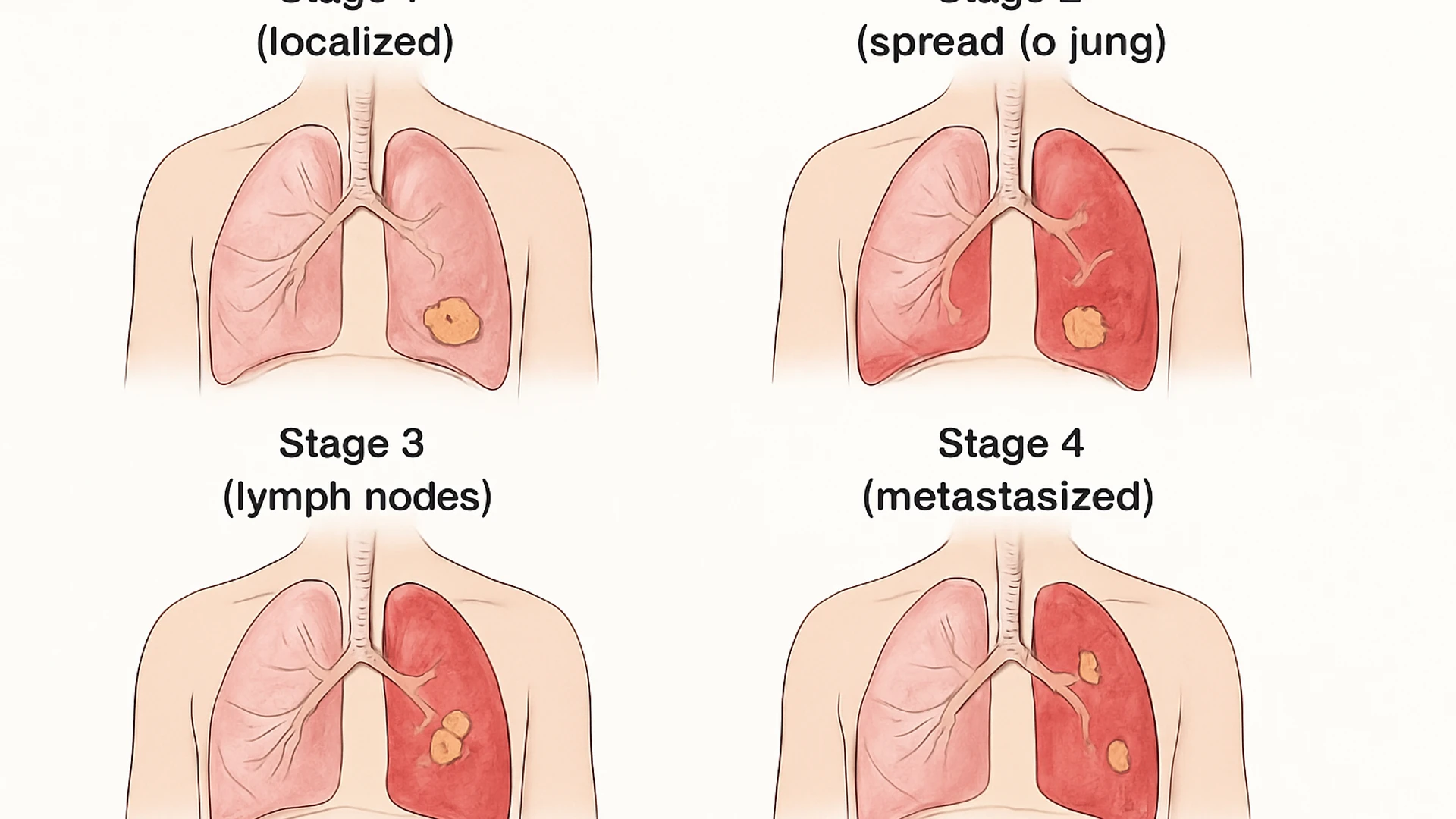
Stage 2 mesothelioma is characterized by localized disease with spread to regional lymph nodes in the chest cavity. Unlike stage 1, where there is no lymph node involvement, stage 2 patients have cancer that has begun migrating to regional lymph systems but has not yet spread to distant organs.
TNM Classification for Stage 2
Stage 2 includes two substages:
- Stage 2A (T2, N0, M0): Tumor invades visceral pleura and extends into lung tissue or chest wall, but lymph nodes are still uninvolved
- Stage 2B (T1 or T2, N1, M0): Any T stage with involvement of regional lymph nodes on the same side as the primary tumor
The defining feature of stage 2 is the presence of N1 or N2 regional lymph node involvement, indicating cancer has metastasized to nearby lymph nodes.
Stage 2 Survival Rates & Prognosis Factors
Stage 2 still offers reasonably favorable outcomes, though survival is decreased compared to stage 1:
| Survival Metric | Outcome |
|---|---|
| Median overall survival | 19 months |
| 2-year survival | 30-38% |
| 3-year survival | 15-20% |
| Epithelioid histology | 22-24 months median |
| Sarcomatoid histology | 10-12 months median |
Factors Affecting Your Stage 2 Prognosis
- Cell type: Epithelioid (best), biphasic (intermediate), sarcomatoid (worst)
- Extent of lymph node involvement: N1 (better) vs. N2 (worse)
- Overall health: Ability to tolerate aggressive multimodal therapy
- Age: Younger patients typically tolerate treatment better
- Performance status: Pre-treatment functional ability
- Treatment quality: Specialized mesothelioma centers achieve superior outcomes
Stage 2 Symptoms
At stage 2, symptoms typically become noticeable. You may experience:
- Chest pain: May worsen as tumor invades pleura
- Persistent cough: Often dry; may produce sputum
- Shortness of breath: More pronounced than stage 1
- Pleural effusion: Fluid accumulation causing breathing difficulty
- Fatigue: Increasing weakness and tiredness
- Weight loss: Unintentional loss over weeks to months
- Night sweats: Often drenching
Treatment Options for Stage 2 Mesothelioma
Stage 2 is still highly treatable with aggressive multimodal therapy combining surgery, chemotherapy, and radiation.
Surgical Treatment
Most stage 2 patients remain candidates for surgical resection:
- Extrapleural pneumonectomy (EPP): Removes affected lung, pleura, diaphragm, and pericardium. Recommended when node involvement is limited.
- Pleurectomy with decortication (P/D): Removes pleura while preserving lung function. Good option for some stage 2 patients.
- Extended pleurectomy: Removes more tissue to ensure regional node removal
- Goal: Complete macroscopic resection with negative margins
Neoadjuvant Chemotherapy
Some stage 2 patients receive chemotherapy before surgery:
- Purpose: Shrink tumor and lymph node metastases before resection
- Regimen: Usually 2-3 cycles of pemetrexed + cisplatin
- Benefit: May improve surgical margins and response rates
- Timing: 2-3 weeks recovery before planned surgery
Adjuvant Chemotherapy
Post-surgical chemotherapy eliminates remaining cancer:
- Standard: Pemetrexed + cisplatin/carboplatin
- Duration: 4-6 cycles over 3-4 months
- Timing: Begins 3-4 weeks after surgery
- Response rate: 50-65% of stage 2 patients respond
Radiation Therapy
High-dose radiation targets residual disease:
- Intensity-modulated radiation (IMRT): Precise targeting of tumor sites
- Hemithoracic radiation: May be used for extensive disease
- Dose: 30-54 Gy in conventional fractionation
- Goal: Local control and prevention of recurrence
Clinical Trials
Stage 2 patients should inquire about:
- Newer immunotherapy combinations
- Targeted therapies for molecular mutations
- Gene therapy approaches
- Hyperthermic chemotherapy (HIPEC) for peritoneal mesothelioma
Comparing Stage 2 with Other Stages
| Stage | Median Survival | 2-Year Survival | Surgery Option |
|---|---|---|---|
| Stage 1 | 21+ months | 40-46% | Majority eligible |
| Stage 2 | 19 months | 30-38% | Most eligible |
| Stage 3 | 16 months | 20-26% | Limited candidates |
| Stage 4 | 12 months | 10-15% | Not typically |
Treatment Timeline and What to Expect
Pre-Treatment Planning (2-4 weeks)
- Comprehensive staging with CT/PET scans
- Pulmonary function testing
- Cardiac evaluation
- Nutritional assessment
Surgery Phase (1-2 days surgery + 6-8 weeks recovery)
- EPP or P/D procedure
- Hospital stay of 7-10 days
- Gradual return to activities over 6-8 weeks
Chemotherapy Phase (3-4 months)
- 4-6 cycles of pemetrexed + platinum agent
- Infusion every 3 weeks
- Regular monitoring of blood counts and organ function
Radiation Phase (5-6 weeks)
- Daily treatments Monday-Friday
- Each session 20-30 minutes
- May overlap with final chemotherapy cycles
Managing Side Effects During Treatment
- Fatigue: Most common; plan rest and maintain nutrition
- Nausea: Anti-nausea medications highly effective
- Infection risk: Avoid crowds; report fever immediately
- Breathing changes: Expected after surgery; pulmonary rehabilitation helps
- Skin reactions: From radiation; usually mild and manageable
Improving Your Stage 2 Prognosis
- Get specialist care: Seek treatment at centers with high mesothelioma caseloads
- Complete all three modalities: Surgery, chemotherapy, AND radiation—all are important
- Maintain health: Nutrition, physical activity, stress management
- Follow-up vigilantly: Regular imaging and specialist visits
- Consider trials: Newer treatments may provide additional benefit
Know Your Legal Rights
As a stage 2 mesothelioma patient, you have strong legal claims:
- Significant medical expenses: Surgery, multimodal therapy, ongoing care
- Lost wages: Extended treatment requires time off work
- Substantial damages: Courts recognize the severity of mesothelioma
- Expedited resolution: Many cases settle within 12-24 months
Understand your legal options and compensation →
Hope and Action
Stage 2 mesothelioma is serious but treatable. Many patients respond well to aggressive multimodal therapy and go on to live meaningful lives. The key is finding experienced specialists, pursuing comprehensive treatment, and maintaining hope throughout your journey.