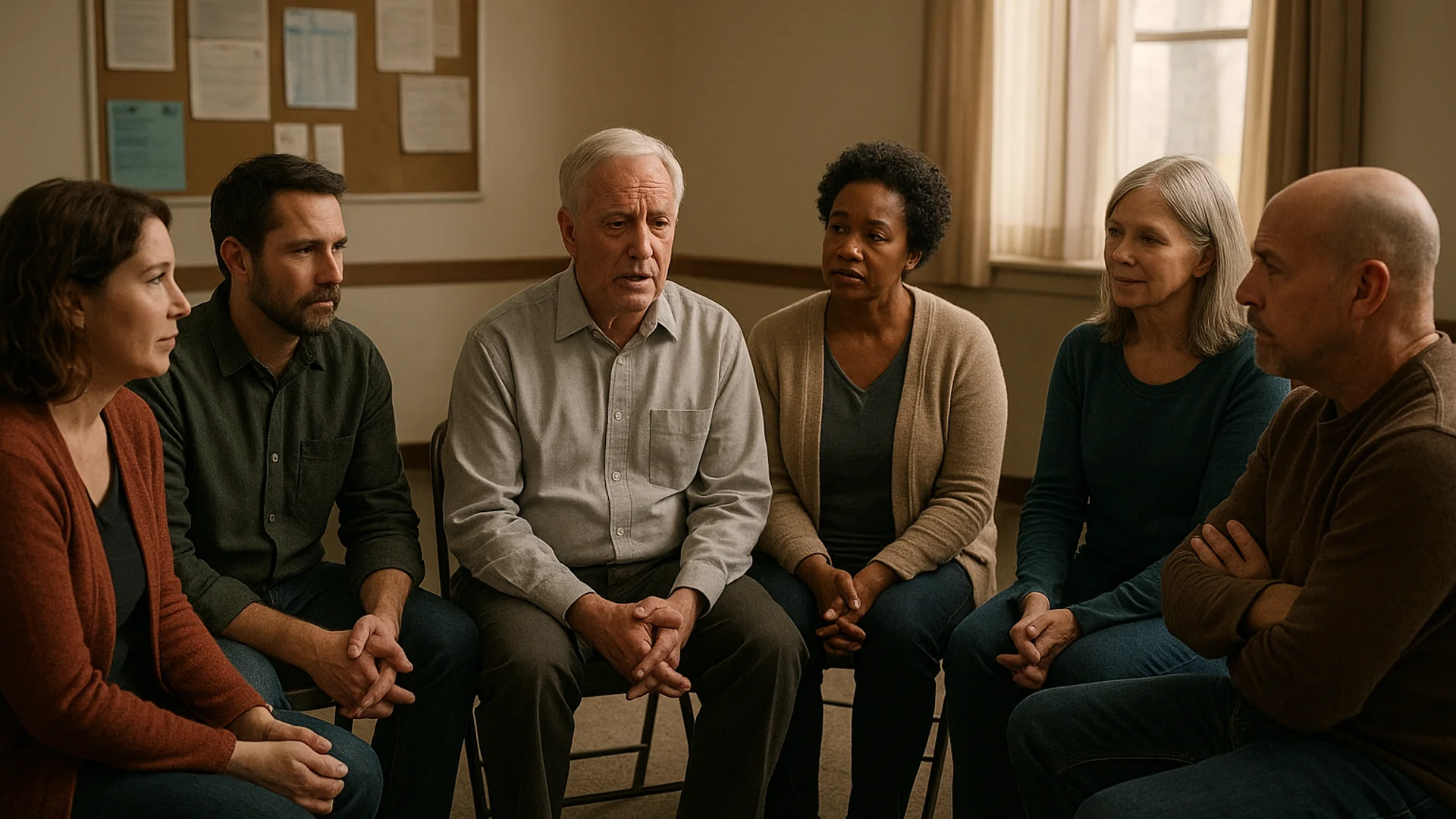
Why Support Matters
Receiving a mesothelioma diagnosis—or caring for someone who has—is profoundly isolating. Friends and family want to help, but they often don't truly understand what you're going through. That's where support groups come in.
Research consistently shows that support group participation can:
- Reduce feelings of isolation and loneliness
- Improve coping skills and emotional adjustment
- Provide practical information from those with lived experience
- Reduce anxiety and depression
- Improve quality of life for patients and caregivers
- Provide hope through connection with survivors
A Note for Caregivers
Caregivers need support too. In fact, caregiver burnout is common and can affect your ability to provide care. Don't neglect your own emotional needs—seeking support isn't selfish, it's necessary.
National Support Organizations
Mesothelioma Applied Research Foundation
Website: www.curemeso.org
- Online support community with moderated forums
- Monthly virtual support group meetings
- Annual symposium connecting patients and families
- Peer-to-peer support matching program
- Caregiver-specific resources and support
American Lung Association
Website: www.lung.org
- Online support communities
- Local chapter events and support groups
- Educational resources and webinars
- Lung helpline for immediate support
Cancer Support Community
Website: www.cancersupportcommunity.org
- Free professional counseling
- Online and in-person support groups
- Educational workshops
- Exercise and stress management programs
- Resources for children and teens
Gilda's Club
Website: www.gildasclub.org
- Free social and emotional support
- Networking groups for specific cancer types
- Lectures and workshops
- Family and children programs
Online Support Communities
For many, online communities provide the most accessible way to connect with others:
Social Media Groups and Forums
- Facebook: Private groups for mesothelioma patients and caregivers
- Online forums and dedicated communities: Connect with others, ask questions, share experiences
- Reddit: r/Mesothelioma community
- Inspire: Dedicated mesothelioma community with medical moderators
Benefits of Online Support
- Available 24/7
- Accessible from home, even when not feeling well
- Anonymity if desired
- Connect with people worldwide
- Searchable archives of past discussions
Cautions for Online Communities
- Not all advice is medically accurate—verify with your healthcare team
- Every patient's situation is different
- Privacy settings vary—be mindful of what you share
- Consider online communities as supplements, not replacements, for professional care
Local Support Groups
Meeting others face-to-face can provide connection that online communities can't replicate:
How to Find Local Groups
- Your cancer center: Many host support groups for patients and families
- Hospital social workers: Can connect you with resources
- Cancer Support Community locations: Centers across the country
- Gilda's Club: Multiple locations nationwide
- American Cancer Society: Local chapter resources
What to Expect
Most support groups are facilitated by a social worker, nurse, or trained volunteer. Sessions typically include:
- Check-ins where members share how they're doing
- Discussion of specific topics (side effects, coping strategies, etc.)
- Guest speakers (doctors, nutritionists, lawyers)
- Time for informal connection
Specialized Support
Veterans Support
Veterans face unique challenges and may benefit from veteran-specific resources:
- VA Support Groups: Many VA medical centers offer cancer support groups
- Veteran service organizations: American Legion, VFW may have resources
- Online veteran communities: Connect with others who share military experience
Caregiver-Only Groups
Caregivers often need space to discuss their own fears and challenges without worrying about burdening their loved one. Our comprehensive caregiver guide provides resources and support strategies:
- Caregiver-specific support groups: Many cancer centers offer these
- Online caregiver communities: Connect with others in similar situations
- Respite care resources: So you can attend to your own needs
Bereavement Support
For those who have lost a loved one to mesothelioma:
- Grief support groups and counseling: General and cancer-specific resources for processing loss
- Online bereavement communities: Connect with others who understand
- Individual counseling: Professional grief counseling
- Compassionate Friends: For bereaved parents and siblings
- End-of-life planning resources: For preparing during a patient's final stage
Professional Counseling
Sometimes, professional support is needed. For those struggling with depression and anxiety, which are common with a mesothelioma diagnosis:
Types of Professional Support
- Individual counseling: One-on-one therapy with a psychologist or counselor
- Family therapy: Helping the whole family navigate the diagnosis
- Psychiatric support: If medication for depression or anxiety is needed
- Palliative care: Includes emotional and psychological support. Explore mindfulness and meditation practices for stress management
Finding Professional Help
- Ask your oncology team for referrals
- Contact Cancer Support Community for free counseling
- Check with your insurance for covered providers
- Look for therapists specializing in oncology or chronic illness
Peer Support Programs
Connecting one-on-one with someone who has been through similar experiences:
How It Works
Many organizations match patients or caregivers with trained volunteers who have gone through similar experiences. These relationships can provide:
- Emotional support from someone who truly understands
- Practical tips and advice
- Hope through connection with survivors
- Flexibility—connect by phone, email, or video chat
Organizations Offering Peer Support
- Mesothelioma Applied Research Foundation
- American Cancer Society's Reach to Recovery
- Cancer Hope Network
- Imerman Angels (one-on-one cancer support)
Starting Your Own Group
If no local group exists, consider starting one:
- Contact local cancer centers about space and promotion
- Reach out to national organizations for guidance and materials
- Consider online options like video chat groups
- Partner with a healthcare professional for facilitation
If You're Hesitant About Joining
It's normal to feel unsure about joining a support group. You can start slowly—observe an online group without participating, or attend one session with no commitment. Many people are surprised by how much they benefit from connection with others who truly understand.