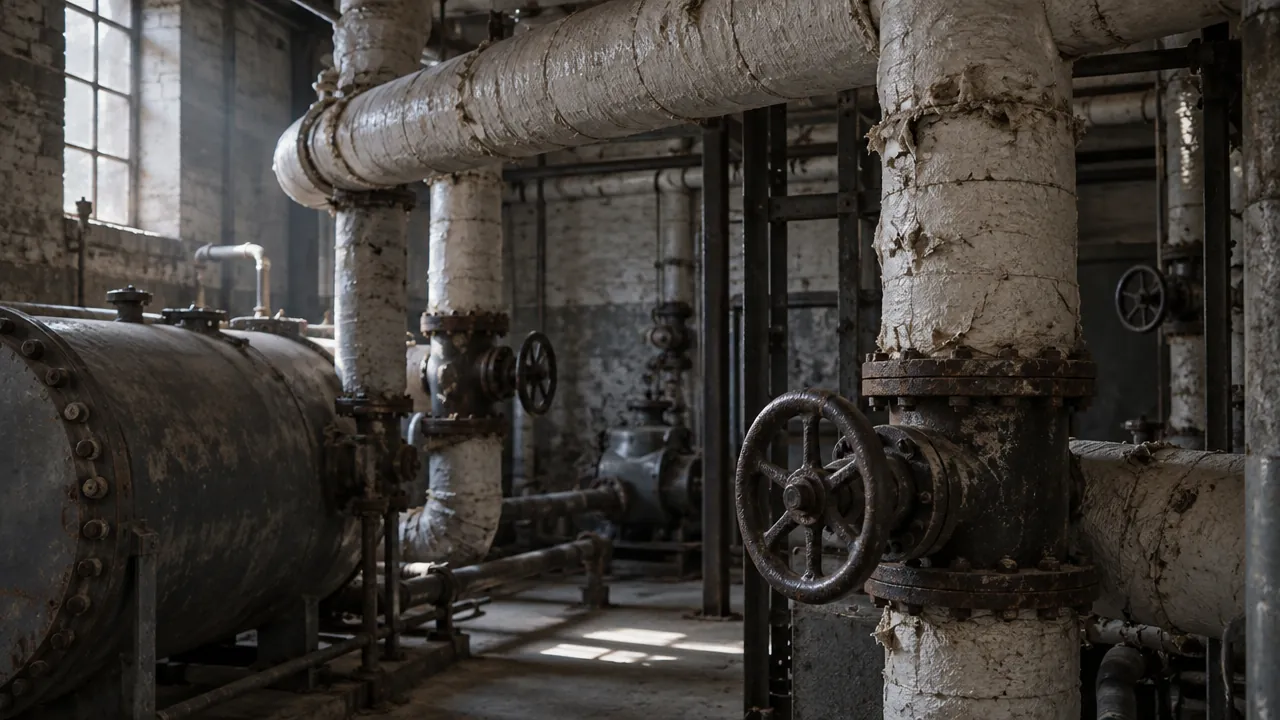
Key Facts About Asbestos
- Primary Cause: 90% of mesothelioma cases linked to asbestos
- Latency Period: 20-50 years between exposure and diagnosis
- No Safe Level: Any exposure can potentially cause disease
- Banned: Partially banned in US; still present in older buildings
What is Asbestos?
Asbestos is a group of naturally occurring fibrous minerals known for their:
- Heat and fire resistance
- Strength and durability
- Electrical resistance
- Chemical resistance
These properties made asbestos seemingly ideal for countless industrial applications—until its devastating health effects became undeniable.
How Asbestos Causes Mesothelioma
When asbestos fibers are inhaled or ingested, they can become lodged in the mesothelium—the thin lining around lungs, abdomen, or heart. Over decades, these fibers cause inflammation and genetic damage that can lead to cancer.
The process typically involves:
- Exposure: Inhalation or ingestion of airborne fibers
- Retention: Fibers become trapped in mesothelial tissue
- Inflammation: Chronic irritation from needle-like fibers
- Cellular Damage: DNA mutations occur over 20-50 years
- Cancer Development: Malignant mesothelioma forms
High-Risk Occupations
Certain jobs carried significantly higher risk of asbestos exposure:
Shipyard Workers
Highest Risk. Ships used extensive asbestos insulation. Navy veterans and shipbuilders face 300% higher risk. Read more →
Power Plant Workers
Boilers, turbines, and high-temperature equipment insulated with asbestos. Read more →
Oil Refinery Workers
Gulf Coast refineries used massive amounts of asbestos for fireproofing and insulation. Read more →
Construction Workers
Asbestos in insulation, roofing, flooring, cement, and drywall. Still a risk today when renovating older buildings.
Steel Mill Workers
Blast furnaces, ladles, and high-temperature equipment lined with asbestos refractory materials.
Insulators/Pipefitters
Directly handled asbestos insulation daily. Among the highest exposure levels of any occupation.
Military Exposure
The U.S. military used asbestos extensively:
- Navy: Ships were filled with asbestos insulation—highest risk branch
- Army: Barracks, vehicles, and equipment contained asbestos
- Air Force: Aircraft and base construction used asbestos
- Coast Guard: Similar shipboard exposure as Navy
Approximately 30% of mesothelioma patients are veterans. Veterans Resources →
Secondary Exposure
Family members of exposed workers also face risk through secondary exposure:
- Laundering contaminated work clothes
- Hugging a worker in contaminated clothing
- Riding in work vehicles
- Living near asbestos mines or factories
Thousands of mesothelioma cases involve women who never worked with asbestos but were exposed through a family member.
Where Asbestos Was Used
Construction Materials
- Insulation (pipe, block, spray-on)
- Roofing shingles and tiles
- Floor tiles and adhesives
- Drywall and joint compound
- Cement pipe and sheets
- Fireproofing materials in commercial buildings and residential apartments
Industrial Products
- Boiler and furnace insulation
- Gaskets and packing materials
- Brake linings and clutch pads
- Valves and pumps
- Electrical insulation on ships and industrial equipment
Consumer Products
- Hair dryers and toasters (pre-1980s)
- Potting soil (vermiculite products)
- Crayons (recent recalls)
- Talcum powder
Occupational Exposure by State
Certain states had higher concentrations of asbestos-exposed industries:
California
Shipyards (San Diego, Long Beach, SF), oil refineries, aerospace.
Texas
Oil refineries along Gulf Coast, petrochemical plants.
Pennsylvania
Steel mills, shipyards (Philadelphia), coal mining.
New York
Brooklyn Navy Yard, construction, 9/11 exposure.
Washington
Puget Sound Naval Shipyard, Hanford nuclear, Boeing.
Ohio
Steel mills, rubber industry (Akron), manufacturing.
Environmental Exposure
Beyond occupational exposure, environmental sources include:
- Asbestos mines: Nearby communities face elevated risk
- Natural disasters: Destruction of older buildings releases fibers
- 9/11: First responders and NYC residents exposed to toxic dust
- Old buildings: Schools, homes, and offices built before 1980
Prevention Today
While new asbestos use is limited, exposure risks remain, especially during renovation and demolition. The proper asbestos removal process is critical to prevent exposure:
- Proper training for workers in renovation/demolition
- Asbestos surveys before construction projects
- Safe removal by certified abatement professionals
- Avoiding disturbance of suspected asbestos materials
Written by the MesotheliomaResearchInfo.com editorial team from the sources cited on this page. This information is educational and is not medical or legal advice. Our editorial policy